Tyger: A Futuristic Display Font for Crafters
As a maker who spends hours perfecting labels, cutting intricate SVGs, and designing invitations that need to pop off the page, I know that the right typeface can make or break a project. It is not just about choosing something pretty; it is about finding a font that communicates the right mood and holds up under production. That is exactly why I was so excited to discover Tyger. This cool, modern, and futuristic display font feels like a breath of fresh air in a market often saturated with vintage scripts and rustic serifs. If you are looking to elevate your handmade business with a touch of otherworldly charm, Tyger might be the missing piece in your design toolkit.
The Visual Personality of Tyger
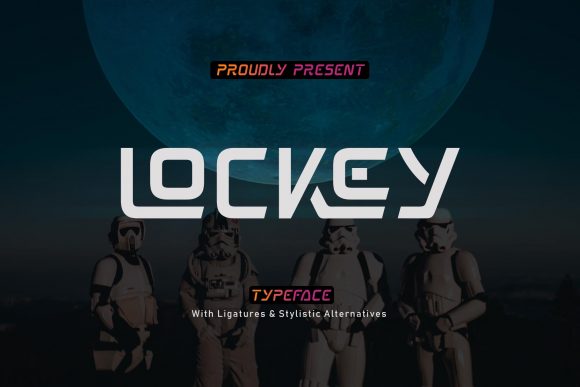
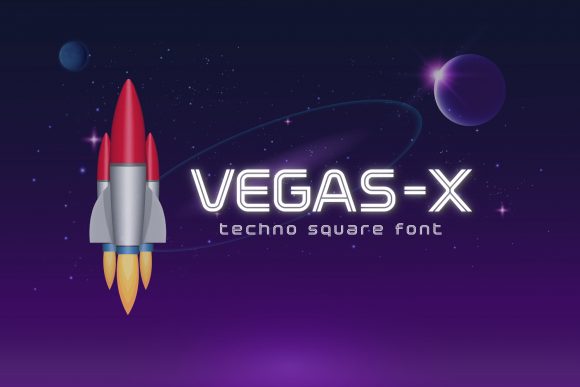
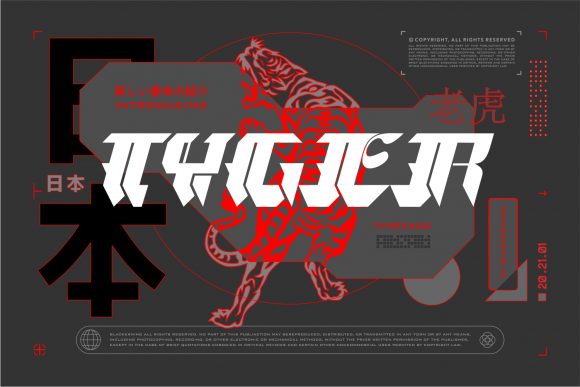
Tyger stands out immediately because of its distinct character. Unlike traditional serif fonts that whisper elegance or standard sans serif fonts that shout minimalism, Tyger speaks a language of innovation. Its lines are crisp, its shapes are bold, and it carries a sleek energy that makes any text feel dynamic. When I first loaded this display font into my design software, I noticed how expertly designed the curves and angles are. It does not look like a generic computer font; it looks like custom lettering crafted specifically to make creations look "out of this world."
This visual personality is crucial for product presentation. In the world of handmade goods, perceived quality is everything. A customer scanning an Etsy shop or walking through a craft fair booth will subconsciously judge the professionalism of your brand based on your typography. Using a premium font like Tyger signals that you care about details. It adds a layer of sophistication that elevates simple items into collectible pieces. Whether you are branding a new line of tech-inspired stationery or creating packaging for a modern skincare line, Tyger brings a contemporary edge that resonates with today's aesthetic-conscious buyers.
Practical Applications for Handmade Products
One of the biggest questions I get from fellow sellers is whether a bold display font is practical for physical products. With Tyger, the answer is a resounding yes, provided you use it where it shines best. Because Tyger is a display font, it is intended for short phrases, titles, names, and decorative wording rather than long paragraphs. This makes it perfect for specific high-impact areas of your crafting workflow.
- Product Labels and Packaging: Imagine a candle label where the scent name is written in Tyger. The futuristic style suggests a unique, perhaps even experimental fragrance profile. It works beautifully on matte black tags or holographic stickers, catching the light and drawing the eye immediately.
- Stickers and Vinyl Decals: For Cricut and Silhouette users, Tyger cuts cleanly. The thick strokes and defined edges mean less weeding time and fewer errors. Use it for bumper stickers, laptop decals, or water bottle wraps where a bold statement is needed.
- Invitations and Greeting Cards: While it might seem unconventional for a wedding, Tyger is fantastic for modern engagement parties, sci-fi themed birthdays, or avant-garde art gallery openings. Pair it with a clean background, and the text becomes the artwork itself.
- Wall Art and Signs: Large-scale prints benefit immensely from this typeface. A single word like "CREATE" or "DREAM" in Tyger looks stunning as a centerpiece in a home office or a boutique lobby.
- Digital Downloads and Templates: If you sell planner pages, social media templates, or digital mockups, Tyger adds a professional polish that separates your assets from freebie designs found online.
Readability and Production Tips
When moving from screen to print, or from digital file to vinyl cut, readability is key. Tyger is designed to be gorgeous, but as a crafter, you must ensure it remains legible at smaller sizes. For tiny product tags or small circular stickers, consider using only the most prominent characters or keeping the phrase very short. The intricate details of a futuristic font can sometimes get lost if the scale is too small or the printing resolution is low.
For those using heat press machines on t-shirts or tote bags, Tyger performs exceptionally well. The bold nature of the letters ensures that the ink or vinyl adheres properly without thinning out. However, always do a test run on a scrap piece of fabric. Check the spacing between letters (kerning) to ensure the design flows naturally. Sometimes, tightening the tracking slightly can make the word look more cohesive, while loosening it can give it a more expansive, airy feel. Always preview your mockups at 100% zoom to catch any potential issues before committing to a full production run.
Mastering Font Pairing with Tyger
Even the most striking creative font needs support to tell a complete story. Since Tyger is such a strong visual element, it pairs best with simpler, more neutral typefaces. The goal is to let Tyger take the spotlight for headlines while a secondary font handles the body copy.
A classic combination would be pairing Tyger with a clean sans serif font. The geometric simplicity of a sans serif balances the futuristic flair of Tyger, creating a modern, high-tech look perfect for gadget packaging or tech-themed events. Alternatively, for a softer contrast, try pairing it with a delicate script font or a handwritten style. This juxtaposition creates an interesting tension—mixing the rigid, cool structure of Tyger with the organic warmth of handwriting. This is particularly effective for boutique brands that want to appear both innovative and personal. Avoid pairing Tyger with another heavy display font or a complex serif font, as the two will likely compete for attention, making your design look cluttered and confusing.
Licensing and Commercial Use
As a small business owner, protecting your work and respecting intellectual property is non-negotiable. Before integrating Tyger into your commercial projects, it is vital to review the license agreement included with the download. Most commercial fonts allow for the creation of physical products like mugs, shirts, and signs, as well as digital downloads like SVG files and printable templates. However, some licenses restrict the number of end products or require an upgrade for larger businesses.
Ensure that your license covers the specific ways you intend to use the font. Can you use it for client work? Is it allowed for unlimited merchandise sales? Understanding these terms prevents legal headaches down the road. Generally, when you buy a font for your shop, you are purchasing the right to use the typeface within your own brand identity and products, not the font file itself to redistribute. Always keep your license documentation safe and accessible. By using a licensed premium font like Tyger, you are investing in the longevity and legality of your brand, ensuring that your beautiful creations remain yours to sell without worry.
Incorporating Tyger into your next project offers a chance to step away from the ordinary. It invites you to explore a bolder, more futuristic direction in your handmade goods. Whether you are crafting a single invitation or launching a full line of branded merchandise, this typeface provides the visual punch needed to capture attention in a crowded marketplace. Give it a try, experiment with pairings, and watch your brand identity transform into something truly extraordinary.